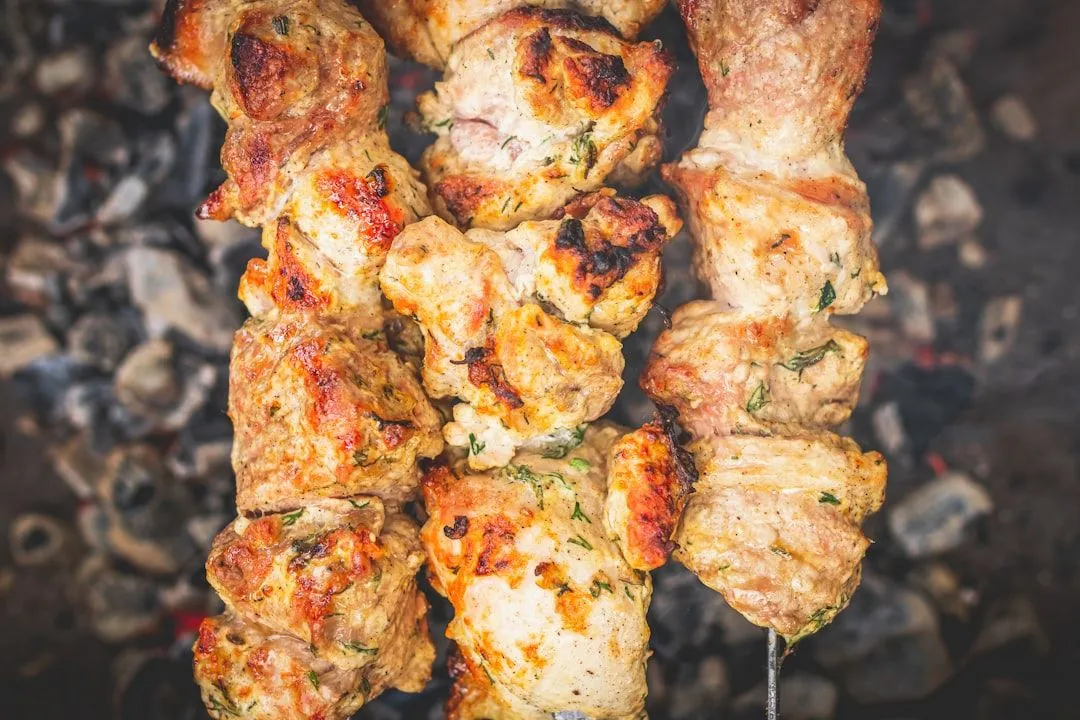
1. Remove the chicken directly from the refrigerator.
The problem: cooking a cold chicken creates a temperature difference between the outside (which cooks quickly) and the inside (which remains cold). The result: the outside is dry, while the inside is still pink.
The solution: take your chicken out of the refrigerator 20 to 30 minutes before cooking. This resting period allows for more even cooking and better browning on the surface.
2. Do not dry the skin before cooking.
The problem: if the skin is moist, the steam prevents the Maillard reaction—which is responsible for browning and crispiness. The solution: always pat the chicken dry with paper towels before cooking. For even better results, leave it uncovered on a rack in the refrigerator for a few hours before cooking.
3. Season only the surface
The problem: salting only the skin flavors only the outer layer. The inside remains bland.
The solution: for whole poultry, rub salt, herbs, and butter under the skin. For cuts, brining them in salted water for 2 to 4 hours allows the salt to penetrate to the center of the meat.
4. Cooking over too high or too low heat
The problem: if the heat is too high, the outside burns before the inside is cooked. If the heat is too low, the skin becomes soft.
The solution: cook in two stages. Start on high heat to brown, then lower to medium-low heat to finish cooking through. In the oven: 420°F for the first 15 minutes, then 350°F.
5. Cutting the chicken too early
The problem: cutting the chicken immediately after removing it from the heat causes all the juices to run out. The meat becomes dry. The solution: always let the chicken rest—5 minutes for pieces, 10 to 15 minutes for a whole bird, loosely covered with aluminum foil. The juices will redistribute and the meat will remain juicy.
6. Not checking the internal temperature
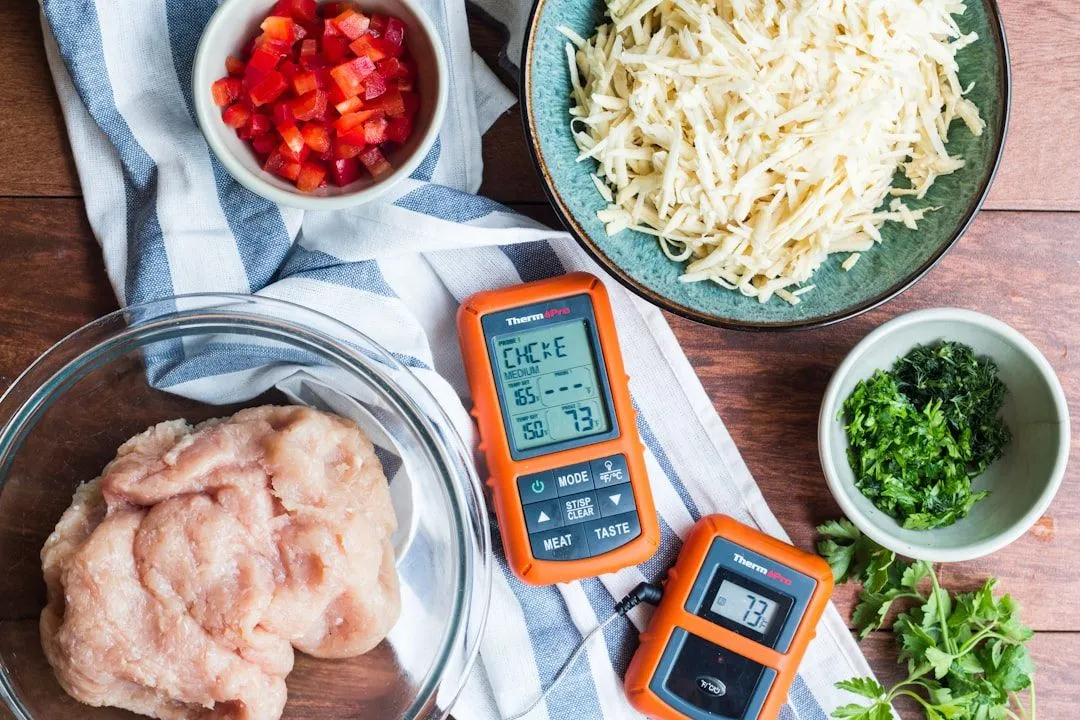
The problem: Estimating doneness by eye is risky. A chicken may look cooked on the outside but be undercooked on the inside. The solution: Invest in a meat thermometer. The internal temperature should reach at least 74°C in the thickest part, without touching the bone.
7. Marinating for too long with acid
The problem: marinating meat in overly acidic marinades (lemon, vinegar, buttermilk) for too long denatures the proteins and gives it a mushy texture. The solution: for acidic marinades, 2 to 12 hours is sufficient. For marinades made with oil and spices without acidity, you can marinate for up to 24 hours.