The Art of Perfect Cooking: Why Chicken Deserves Your Attention
Chicken is undoubtedly one of the most popular and versatile meats in the world, capable of adapting to an infinite variety of flavors and cuisines. Yet how many times have you been disappointed by dry, bland chicken or soft, unappetizing skin? Cooking chicken is an art that, once mastered, transforms a simple meal into a memorable culinary experience. This guide is designed to equip you with the knowledge and techniques necessary to ensure consistently juicy meat and irresistibly crispy skin, regardless of the cut or cooking method. Get ready to rediscover chicken at its best, avoiding common mistakes and maximizing every bite.
Preparation: The Secret to a Flawless Base
Even before turning on the heat, preparing the chicken is crucial to the final result. An often overlooked but essential step is drying the skin. Use paper towels to generously pat dry all surfaces of the chicken. Dry skin is the first step toward that much-desired crispiness. Next comes the seasoning. Don't skimp on salt and pepper, and consider spices to enhance the flavors. For added juiciness and intense aromas, consider a brine or marinade. Our article on The Art of Chicken Marinades: A Complete Guide to Flavors of the World will give you a wealth of ideas for infusing your chicken with exotic and deep flavors, transforming each dish into a taste journey.
Internal Temperatures: The Key to Safety and Juiciness
The fear of serving undercooked chicken often leads to overcooking, resulting in dry, stringy meat. The solution is to use a meat thermometer. The safe internal temperature for chicken is 74°C (165°F). However, for certain cuts such as thighs or drumsticks, a slightly higher temperature (up to 80-85°C) can even improve tenderness by breaking down collagen. Insert the thermometer into the thickest part of the meat, without touching the bone. Once this temperature is reached, remove the chicken from the heat. Never rely solely on the color of the flesh or the juices, as they can be misleading. For details on specific cooking times for each cut, see our Chicken Cooking Times by Cut: The Complete Guide, an indispensable tool for perfect cooking every time.
Mastering Key Cooking Methods for Perfect Chicken
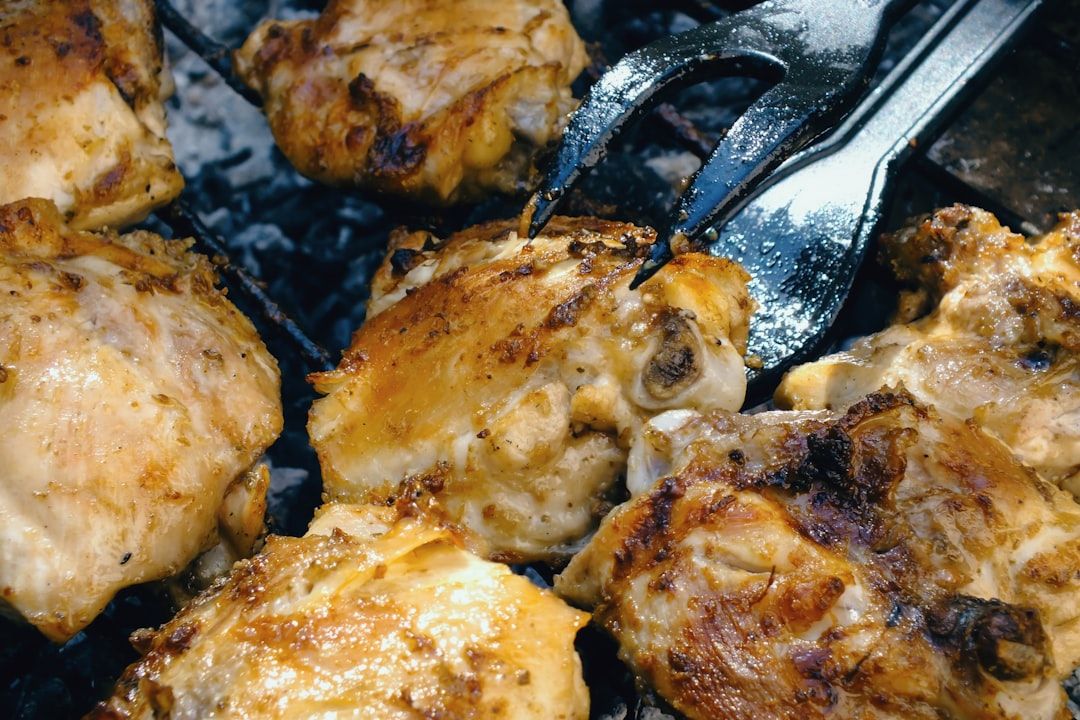
Each cooking method offers unique textures and flavors. Roasting: Ideal for whole chickens or large pieces. Start with high heat (400-430°F) for 15-20 minutes to brown the skin, then lower to 350-375°F for gentler, more even cooking. Baste regularly to maintain moisture. Grilling: Perfect for skewers or boneless pieces. Preheat your grill well. For crispy skin and appetizing grill marks, sear over direct heat before moving to an indirect heat zone to finish cooking without burning. Feel free to try our Grilled Chicken Skewers (Dak-kkochi) to put your grilling skills to the test.
Pan-frying/Sautéing: Quick and effective for chicken fillets or cubes. Heat your pan over medium-high heat with a little oil. Don't overcrowd the pan to prevent the chicken from boiling instead of browning. Sear each side until nicely browned. For a crispy and flavorful experience, discover how to prepare Karaage (Japanese Fried Chicken), a classic light fried dish.
Rest: The Often Overlooked, Never Neglected Step
This is one of the simplest tips, but also one of the most important for juicy chicken: let it rest. Once your chicken has reached its ideal internal temperature and you've removed it from the heat, cover it loosely with aluminum foil and let it rest for at least 5 to 10 minutes for small pieces, and up to 15-20 minutes for a whole chicken. During cooking, the muscle fibers contract and push the juices toward the center of the meat. If you cut the chicken immediately, these juices will escape, leaving your meat dry. Resting allows the fibers to relax and the juices to redistribute evenly throughout the meat, ensuring a tender texture and maximum juiciness with every slice.
Your Culinary Adventure Begins Now!
Armed with these techniques and tips, you are now ready to transform every chicken dish into a culinary masterpiece. Whether you are roasting a whole chicken for a family meal, grilling skewers for a barbecue with friends, or sautéing diced chicken for a quick dinner, mastering these fundamentals will ensure consistent and delicious results. No more fear of dry chicken or soggy skin. With a little practice and attention to the details we've shared, you'll become an expert at cooking chicken. So, put on your aprons and savor every moment of your culinary exploration with ChickenExplore!